
Designing Beauty Training Courses
- Online
- Nov 11, 2025
- 4 min read
Updated: Nov 17, 2025
Creating a beauty training course that truly resonates with learners and equips them with the skills they need can feel like a big challenge. But with the right approach, it becomes an exciting journey of sharing knowledge and inspiring others. Whether you are an experienced beauty professional or just stepping into the world of education, understanding how to design a beauty course that is engaging, practical, and accredited is essential. In this post, I’ll walk you through the key steps and tips to help you build a course that stands out and delivers real value.
Understanding the Essentials of Beauty Course Design
When it comes to beauty course design, clarity and structure are your best friends. A well-designed course should be easy to follow, with clear learning objectives and a logical flow. Start by defining what you want your learners to achieve by the end of the course. These goals will guide every decision you make, from the content you include to the teaching methods you use.
For example, if you’re designing a course for lash technicians, your objectives might include mastering different lash application techniques, understanding hygiene standards, and developing client consultation skills. Breaking down these goals into smaller, manageable modules helps learners absorb information step-by-step.
Practical tip: Use a mix of teaching methods such as demonstrations, hands-on practice, and quizzes. This variety keeps learners engaged and caters to different learning styles.
Key Components to Include in Your Beauty Course Design
A successful beauty course is more than just theory. It combines knowledge, skills, and real-world application. Here are the essential components to include:
Introduction and Course Overview
Start with a warm welcome and an overview of what learners can expect. This sets the tone and helps learners feel comfortable and motivated.
Core Content Modules
Divide your course into clear sections, each focusing on a specific skill or topic. For example, a nail technician course might have modules on nail anatomy, manicure techniques, and nail art.
Practical Sessions
Beauty is a hands-on industry. Make sure your course includes plenty of practical exercises where learners can apply what they’ve learned.
Assessment and Feedback
Regular assessments help learners track their progress. Provide constructive feedback to encourage improvement and confidence.
Resources and Support
Offer additional materials like guides, videos, and FAQs. Also, make yourself available for questions and support.
Remember, the goal is to create a learning experience that is both informative and enjoyable. Keep your language simple and encouraging, and always focus on building confidence.
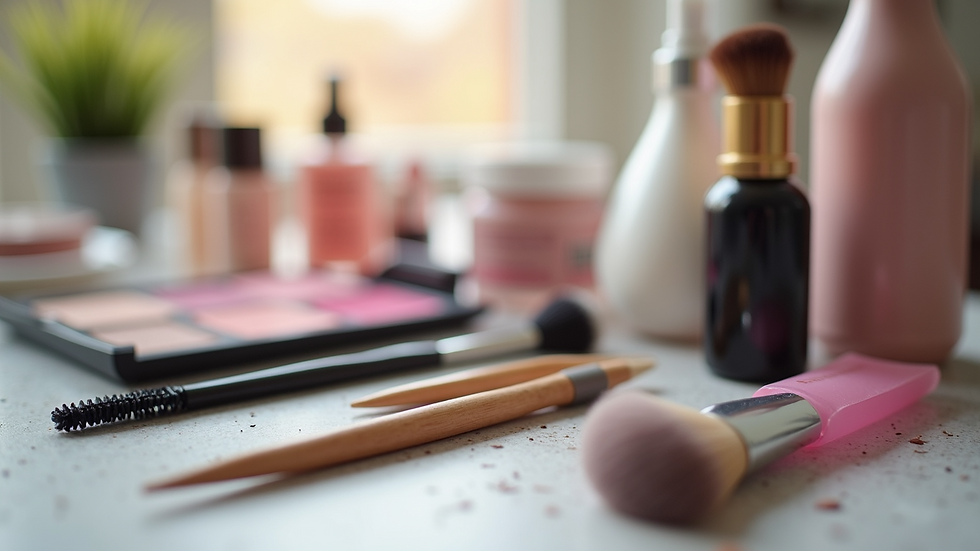
Organising tools and products clearly supports effective practical training.
How to Create Training Courses That Empower Educators and Learners
If you want to create training courses that truly empower both educators and learners, it’s important to think beyond just the content. The way you deliver your course and the support you provide can make all the difference.
One effective strategy is to build a community around your course. Encourage learners to share their experiences, ask questions, and support each other. This sense of belonging boosts motivation and helps learners feel less isolated.
Another key point is accreditation. Offering accredited courses adds credibility and helps learners feel confident that their training meets industry standards. It also opens doors for them professionally.
If you’re ready to take the next step, you can create training courses with organisations that specialise in supporting beauty educators. They provide valuable resources and guidance to help you design courses that are both high-quality and compliant with industry requirements.
Tips for Engaging and Retaining Learners in Beauty Training
Keeping learners engaged throughout your course is crucial. Here are some practical tips to help you do just that:
Use Visual Aids: Diagrams, videos, and photos make complex information easier to understand.
Encourage Interaction: Ask questions, create group activities, and use role-playing scenarios.
Provide Real-Life Examples: Share stories and case studies from your own experience.
Set Clear Expectations: Let learners know what they need to do and when.
Celebrate Progress: Recognise achievements, no matter how small, to boost confidence.
By making your course interactive and supportive, you help learners stay motivated and committed.
Building Your Reputation as a Leading Beauty Educator
Designing a great course is just the beginning. To establish yourself as a leading provider of beauty training, focus on delivering consistent quality and building strong relationships with your learners.
Ask for feedback regularly and use it to improve your courses. Stay updated with the latest industry trends and techniques to keep your content fresh and relevant. Networking with other beauty professionals and educators can also open up new opportunities.
Remember, your passion and dedication shine through in your teaching. When you genuinely care about your learners’ success, it shows – and that’s what builds trust and loyalty.
Designing beauty training courses is a rewarding way to share your expertise and help others grow. By focusing on clear objectives, practical skills, engaging delivery, and ongoing support, you can create courses that make a real difference. Whether you’re just starting out or looking to enhance your existing training, these tips will guide you towards success. Embrace the journey of becoming a confident and inspiring beauty educator – your future learners are waiting!


Comments